

 1.866.572.1107
 20.3991.3890
 1.800.846.451
Voice over agency
The agency model, without the waiting.
A traditional voice over agency takes your brief, sends a shortlist, negotiates a fee and books the session. Every step of that still happens here. The difference is that it happens in an afternoon, the fee is published before you ask, and nobody takes a cut of the voice actor's money.
- Free auditions of your script
- Published rates, no haggling
- No commission, no negotiation
On the prompterTake 1
AGENCY · SHORTLIST · SESSION
Screened talentPublished feesDirect contact
The roster
Represented voices, minus the middle.
Every voice here was auditioned by a person before being listed, the way an agency screens its books.





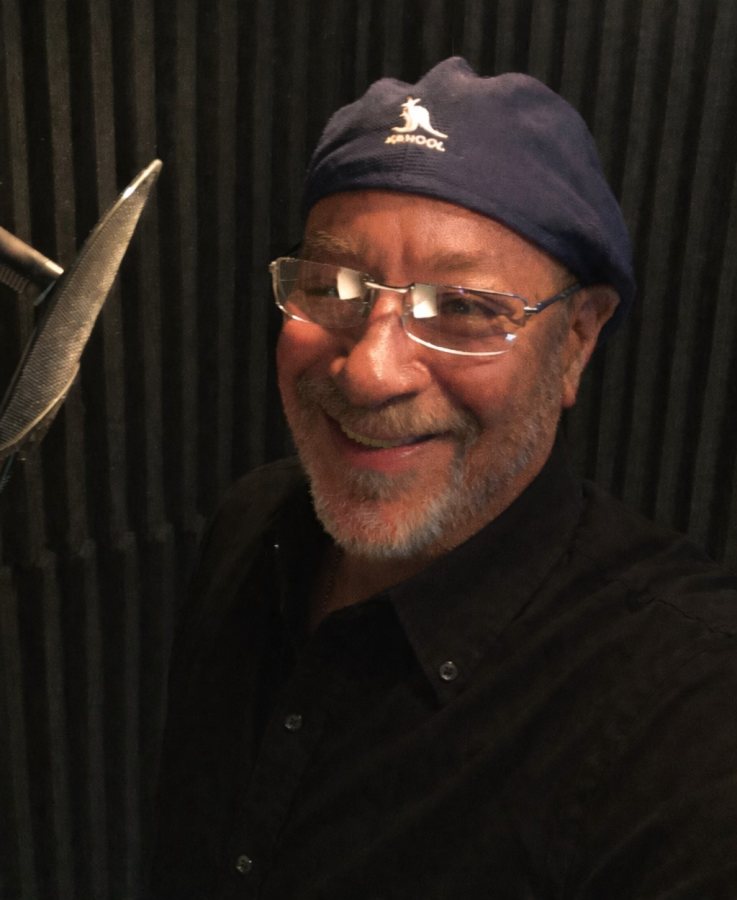


Voices who record this kind of work. Names are first names only until you book.
See the full rosterWhat an agency actually does
Three jobs, and who does them here.
Finds the voice
An agent knows their books and sends a shortlist. Here you post the script and the shortlist reads it, so you judge the voices on your own words rather than on their showreel.
Vouches for the standard
An agency's name is the guarantee. Here it is the screening: a person listens to every demo and studio before a voice is listed, and the satisfaction guarantee covers the booking if the read misses.
Handles the money
Agencies invoice, chase and take a percentage. The site takes the payment up front, holds it while the job runs and pays the voice after delivery.
Side by side
The same six jobs, done two ways.
This is not a dig at agencies. They do real work, and for a long campaign with a name attached, an agent earns their percentage. For most jobs, though, the parts you are paying for are the shortlist, the rate and the paperwork, and those are the parts a site can do in an afternoon.
Finding the voice
A traditional agencyAn agent reads the brief and sends a shortlist from their books, usually as showreels.
HereYour script goes out as a casting and comes back read aloud by the voices who want the job.
How long it takes
A traditional agencyA day or two for the shortlist, longer if the agent is away or the client is in another time zone.
HereAuditions in hours. Most finished jobs are delivered inside a day of being booked.
What you hear first
A traditional agencyA showreel: their best work on somebody else's script, cut to sound brilliant.
HereYour own words, unedited, which is the only fair test of whether the voice suits them.
The fee
A traditional agencyQuoted per job after a conversation, and often different for two clients booking the same voice.
HerePublished on the rate card, the same for everyone, worked out by script length and usage before you post.
Talking to the voice
A traditional agencyThrough the agent, who is protecting a relationship as well as passing on notes.
HereDirectly, in the job thread, which is why a pronunciation fix takes minutes instead of a day.
If the read is wrong
A traditional agencyA re-record is negotiated, and everyone is polite about whose fault it was.
HereAsk for a revision, or use the satisfaction guarantee and pick another voice without arguing about it.
Where an agency still wins. Celebrity and signature voices, long negotiated campaigns with exclusivity and conflict-out clauses, and anything where someone has to be in a room managing talent relationships for months. If that is the job, hire an agent. If the job is a script that needs a professional voice this week, the rest of this page is for you.
In more depth
When you still want an agency.
What a voice over agency is for
A voice over agency represents a roster of voices and sells their time. The agent knows their books well enough to answer a brief from memory, negotiates fees, handles contracts and usage, books studios, and keeps the relationship warm so that the voice picks up the phone next time. For a decade-long brand campaign with a recognisable voice attached, that work is real and an agent earns the percentage.
The trouble is that the same machinery runs whether the job is a national campaign or a sixty second explainer for an internal launch. You wait for a shortlist either way. You negotiate either way. And you hear showreels rather than your own script either way, which means the first time anybody reads your words is after the money is agreed.
Where the commission actually lands
Agency commission is usually taken from the voice actor, commonly between ten and twenty per cent, and sometimes a booking fee is added to the client's side as well. Neither is sinister; it is how representation has always been paid for. It does mean the quoted fee carries a layer that has nothing to do with the recording, and that two clients booking the same voice for the same job can end up with different numbers depending on who asked and when.
A published rate card removes that conversation. The price is worked out from script length and where the audio is used, and it is the same for everyone.
Screening is the part worth keeping
The genuinely valuable thing an agency sells is not access, it is filtering: someone has already listened to a thousand voices so that you do not have to. That part is kept here. Every voice is auditioned by a person before being listed, and the standard is whether a professional client would be happy with the recording, not whether the applicant is enthusiastic. Open marketplaces that skip this step hand the filtering back to you, and you pay for it in listening time.
Usage, exclusivity and the awkward questions
Most disputes in voice work are about usage rather than performance. The recording was fine; it then ran somewhere nobody agreed to. Here the usage is chosen when you post: broadcast commercials carry a twelve month licence from the date of record, everything else is a buyout in perpetuity, and extending a campaign is a published renewal rather than a negotiation. If you need a voice to stay off a competitor's advert, that is an exclusivity arrangement and still wants a conversation, which is exactly the kind of job an agency handles well.
A reasonable way to decide
If the job needs a named voice, a negotiated exclusivity, or a talent relationship managed over months, hire an agent. If the job is a script that needs a professional voice this week, at a price you can approve without a meeting, post it and listen. Most organisations end up doing both, and the useful discovery is usually how much of their work was never the first kind.
Questions people ask
Agency questions, answered.
Is The Voice Realm a voice over agency?
It does the work an agency does: screening talent, matching voices to briefs, setting rates, handling the money and standing behind the booking. What it does not do is take a commission out of the voice actor's fee or keep you waiting on a shortlist. You hear reads of your own script, usually the same day.
Can I speak to the voice actor directly?
Yes, once the job is booked, through the message thread on the job page. That is unusual in the agency world and it is the reason revisions here take minutes rather than a chain of forwarded emails.
How are usage and licensing handled?
By the rate card, before you book. Broadcast commercials carry a twelve month licence from the date of record; everything else is a buyout in perpetuity. You pick the usage when you post, and the price reflects it.
What if the read comes back wrong?
Send notes through the job and ask for a revision, or use the satisfaction guarantee and pick another voice. Nobody has to argue about it, and you are not left with an invoice for audio you cannot use.
Brief it now. Shortlist by lunch.
Post your script free, hear it read by screened professionals, and book at the published rate.
Related: how to hire a voice actor and the rate card.