Blog

Voice Over Coaching
The Session’s Over, Your Voice Isn’t: A Vocal Cool-Down for Voice Actors
Most voice actors warm up and hardly any cool down. What the research says a vocal cool-down does, and a five minute routine to end every session.
Cover story · Voice Over Studio
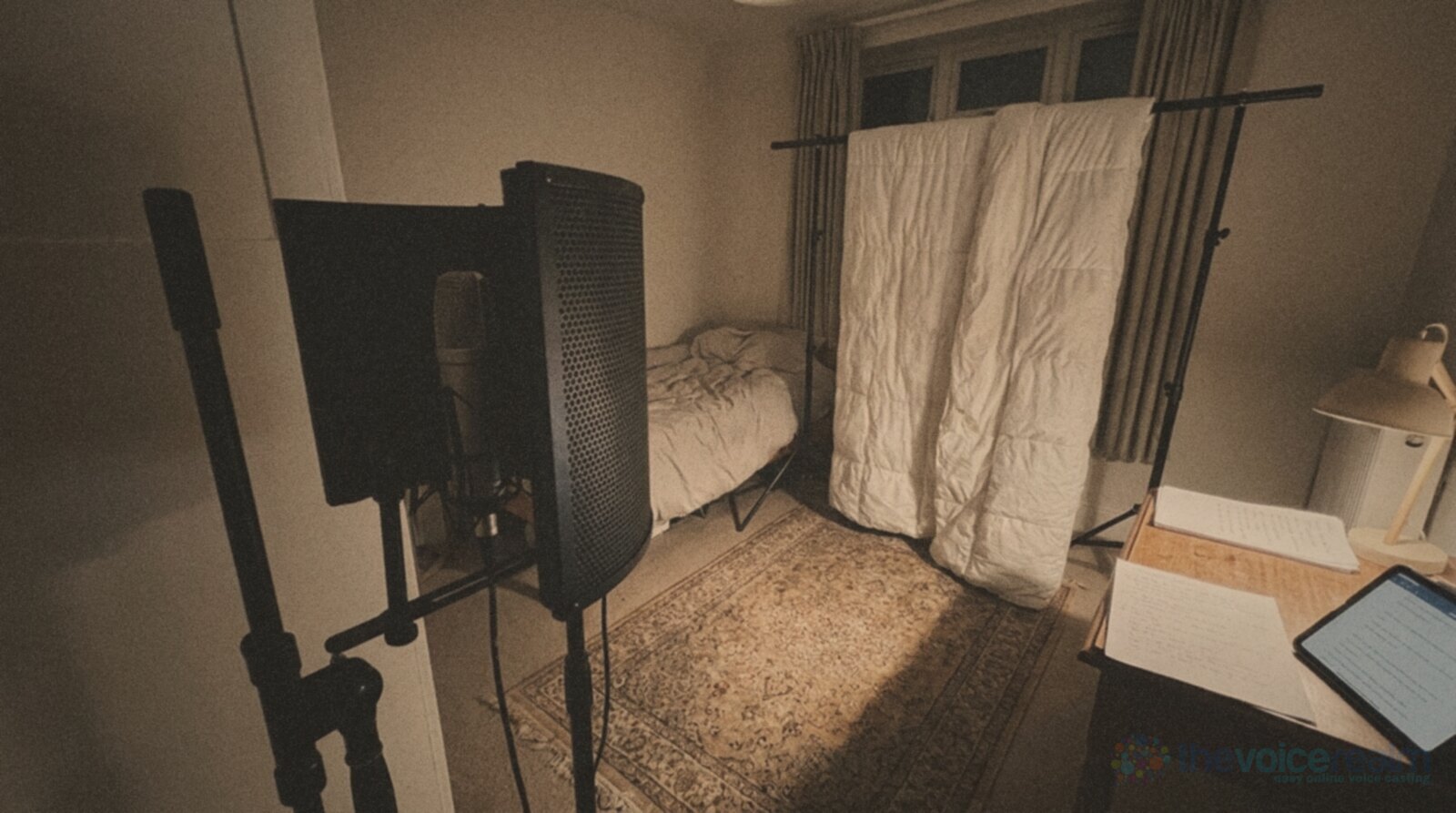
What a reflection filter catches, what it misses, where the mic should sit, and how to test one in your own room before you buy one.
Read the cover storyMost voice actors warm up and hardly any cool down. What the research says a vocal cool-down does, and a five minute routine to end every session.
UK radio has never had more listeners, and the Christmas stations are switching on. What the new RAJAR figures mean for British voiceover artists.

An ABC sport caller says broadcasters have to get names right. What that means for Australian voice over artists reading names, places and brands.
A cast list, four small dials and a reference clip per character: how narrators voice every character, including the opposite sex, without overdoing it.
Bette Midler, Tom Waits and the ELVIS Act: what the law says about sound-alike voice work, and the questions to ask before you take the job.
Your own name or a new one? Union name rules, the slate test, DBAs and W-9s: how voice actors pick a stage name and keep the paperwork straight.
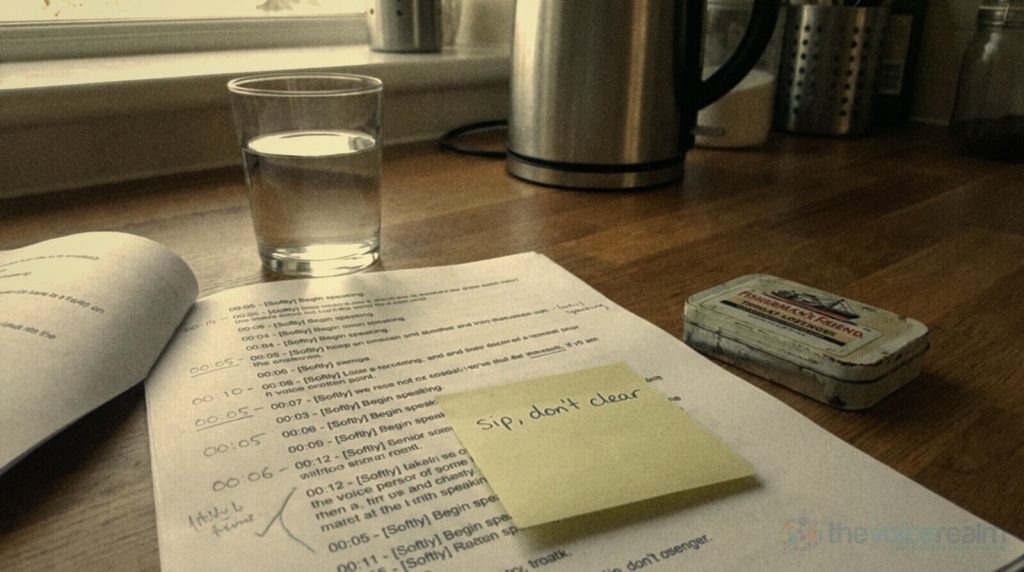
Why habitual throat clearing wears on your voice, what the research says about sipping and swallowing instead, and how to break the loop in the booth.
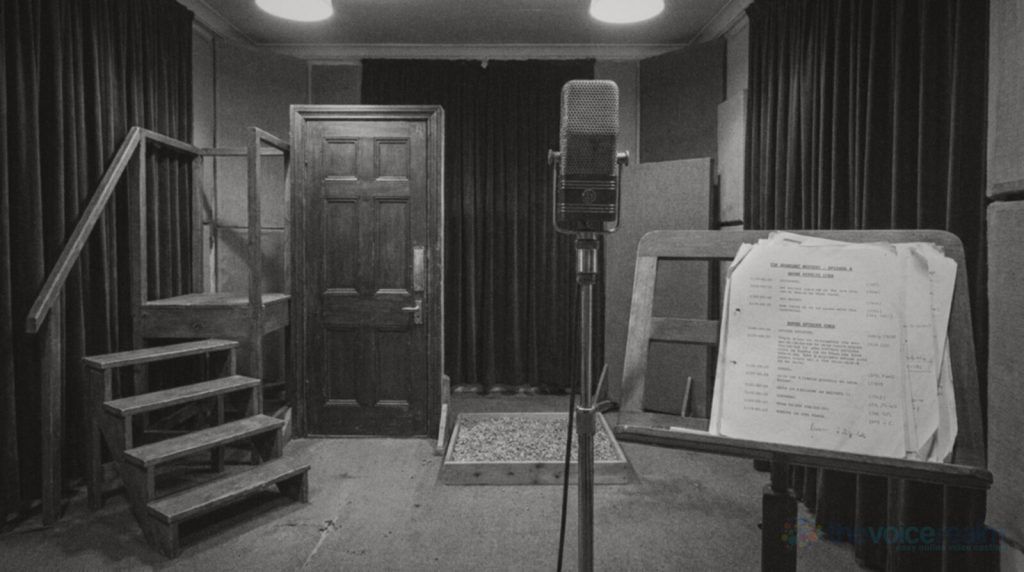
Mic positions, moves, spot effects, script mark-up and listening: how voice actors play a scene in audio drama, radio plays and fiction podcasts.
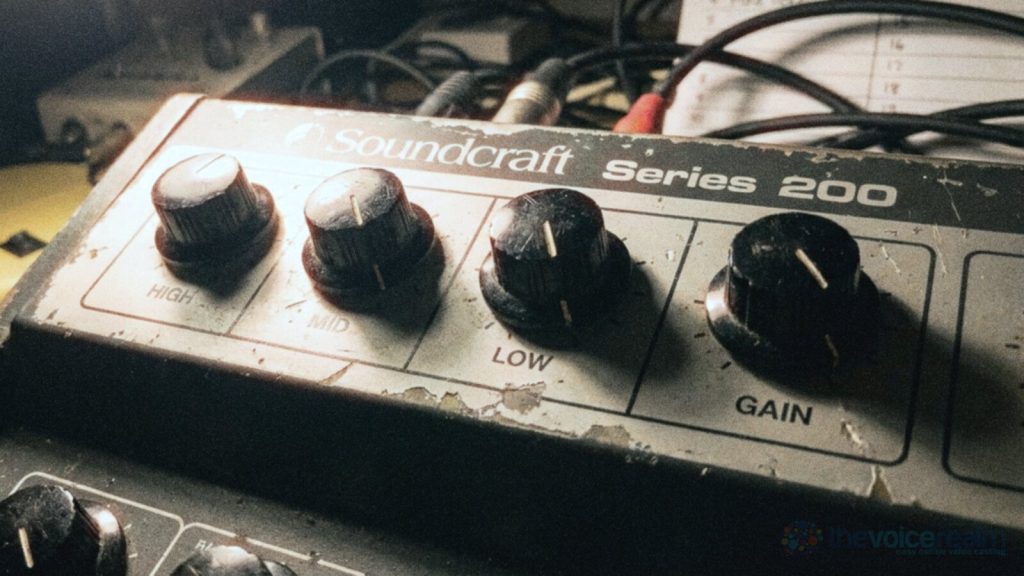
Where to cut, what to boost and how hard to squeeze: EQ and compression for voice actors, with starting settings that still sound like you.