Blog

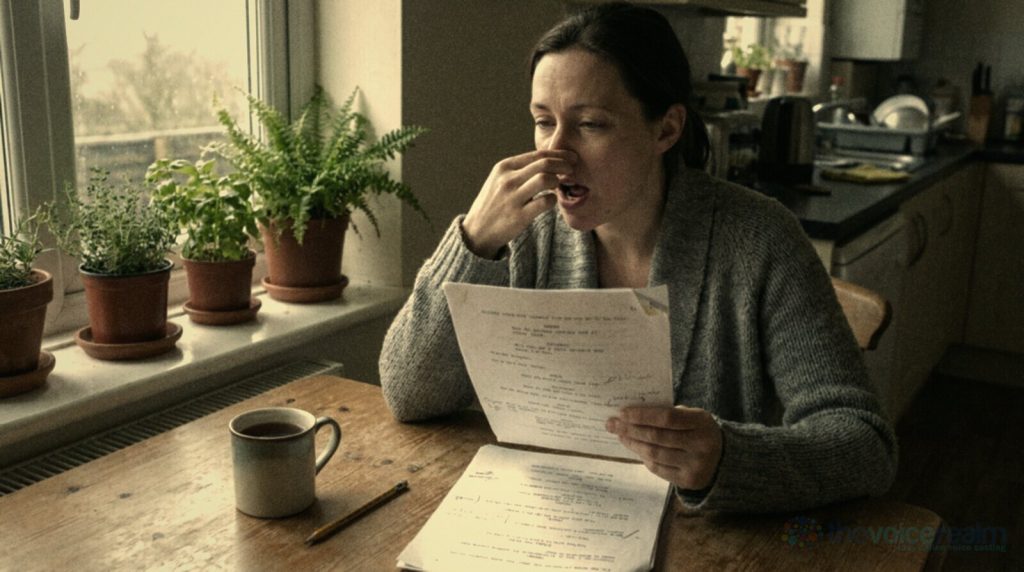
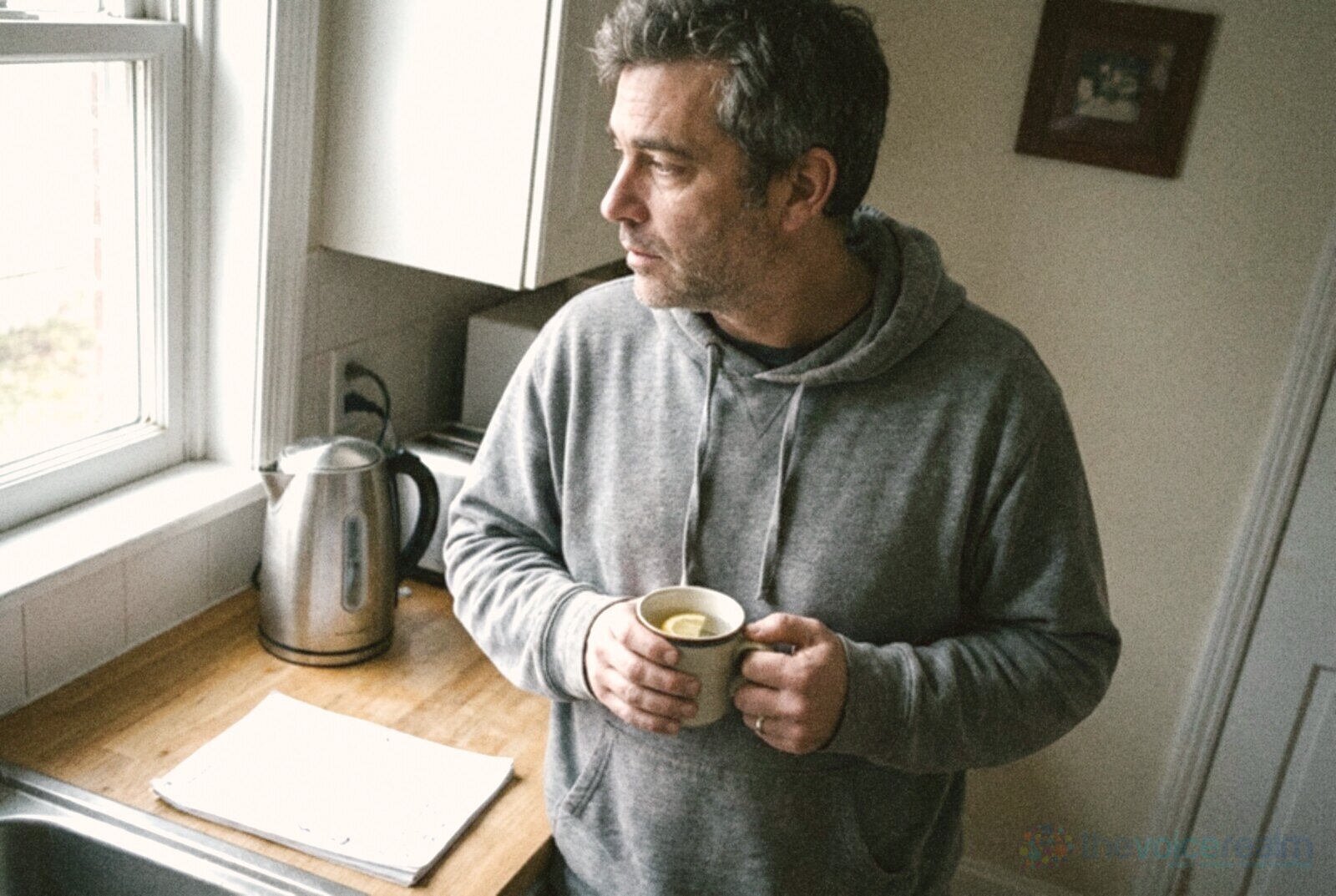
You can hide a bad night from a client on a video call. You can’t hide it from a microphone. This guide is for voice actors who’ve ever opened a session after four hours of sleep and wondered why the read felt like wading through sand. We’ll look at what the research says a short night does to a voice, why “morning voice” is a slightly different problem, and what to do on the days you can’t fix the sleep but still have to deliver.
None of this is about guilt. Deadlines land at strange hours, kids get sick, neighbours throw parties. The point is to know what changes, so you can plan around it instead of fighting it take after take.
Yes, people can hear a short night
It’s tempting to think tiredness lives in your eyes and your mood, and that your voice is just along for the ride. Listeners disagree. Researchers have been testing this for decades, and the results keep pointing the same way.
A 2024 study in PLOS Computational Biology, led by Etienne Thoret with colleagues in Paris, gathers the earlier work in its introduction. One older experiment it describes found that “raters could detect sleepy versus non sleepy voices with an accuracy above 90%.” Another, by Morris and colleagues, reported that “A slowing down of speech and a “flatness of the voice” were noted after deprivation.”
Flatness is the word that should worry a voice actor. Clients rarely say “you sound tired.” They say “can we get a bit more energy,” or “it’s a little monotone,” or they just book someone else. A flat read on a commercial or an explainer reads as bored, and bored is the one thing a client can’t use.
The slowing matters too. If you’re timing to picture or to a thirty second spot, a sleepy read creeps longer without you noticing. You’ll find yourself trimming breaths in the edit to make up time you’d normally hit naturally.
© The Voice Realm
What actually changes: rhythm and tone
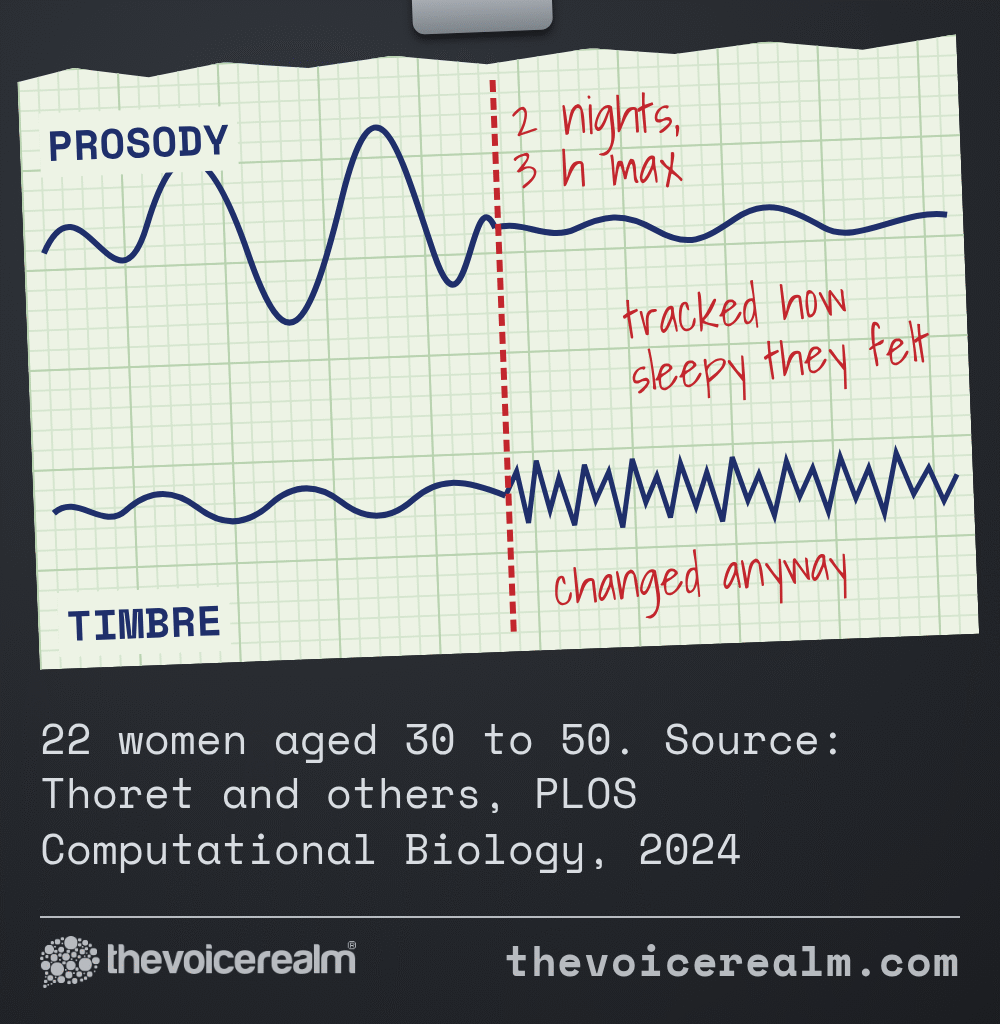
The Thoret study is useful because it splits the damage into two parts. The authors found “changes in slow temporal modulations related to prosody and changes in spectral features related to voice quality.” In plain terms: the music of your speech (rise and fall, pace, emphasis) shifts, and so does the colour of the sound itself.
Here’s the part every voice actor should hear. The two effects didn’t line up neatly. In the authors’ words, “the relative balance of the two effects varied widely across individuals.” Some people got flatter. The discussion notes that “others unexpectedly responded with speech over-modulation,” which is the overcompensating, sing-song read you get when you’re trying hard to sound awake.
That’s a familiar trap. You know you’re tired, so you push, and the push sounds like a cartoon of enthusiasm. If you’ve ever listened back to a session and thought “who is this person selling cereal,” that might be it.
© The Voice Realm
The odd thing about morning voice
Here’s a twist. You’d expect a good night’s sleep to leave your voice at its best. A 2020 study in the Journal of Voice by Michal Icht and colleagues, which kept young adults awake for 24 hours and compared them with how they sounded after a normal night, found something closer to the opposite for women in the group.
Women had a better ratio of clean tone to noise after staying up than they did after sleeping. The authors suggest this “may explain the common perceptual impressions of decreased voice quality after sleep,” and that the effect “may be more pronounced in females.”
That doesn’t mean staying up all night is good for you. It means the first hour after waking is its own problem, with its own fixes: moving, talking gently, warm fluids and time. We’ve covered that groggy first hour in detail in our guide to getting past morning voice before a session. The short version: don’t book a 7 a.m. session for 7:10 a.m. wake up.
So there are two separate things to manage. Morning voice is temporary and clears with warm up. Sleep loss is cumulative and follows you all day.

© The Voice Realm
Your vocal folds do their repairs off the clock
Voice work is physical work. Every hour at the mic puts small amounts of wear on the tissue of your vocal folds, and rest is when that tissue recovers. Tufts Medicine’s voice care team puts it simply: “Just like any other muscles in your body, your vocal folds need time to rest and recover.”
Sleep is the longest stretch of real vocal rest most of us get. You’re not talking, you’re not clearing your throat, you’re not projecting over a cafe. Cut that stretch short night after night and you’re asking the same tissue to work harder with less recovery time.
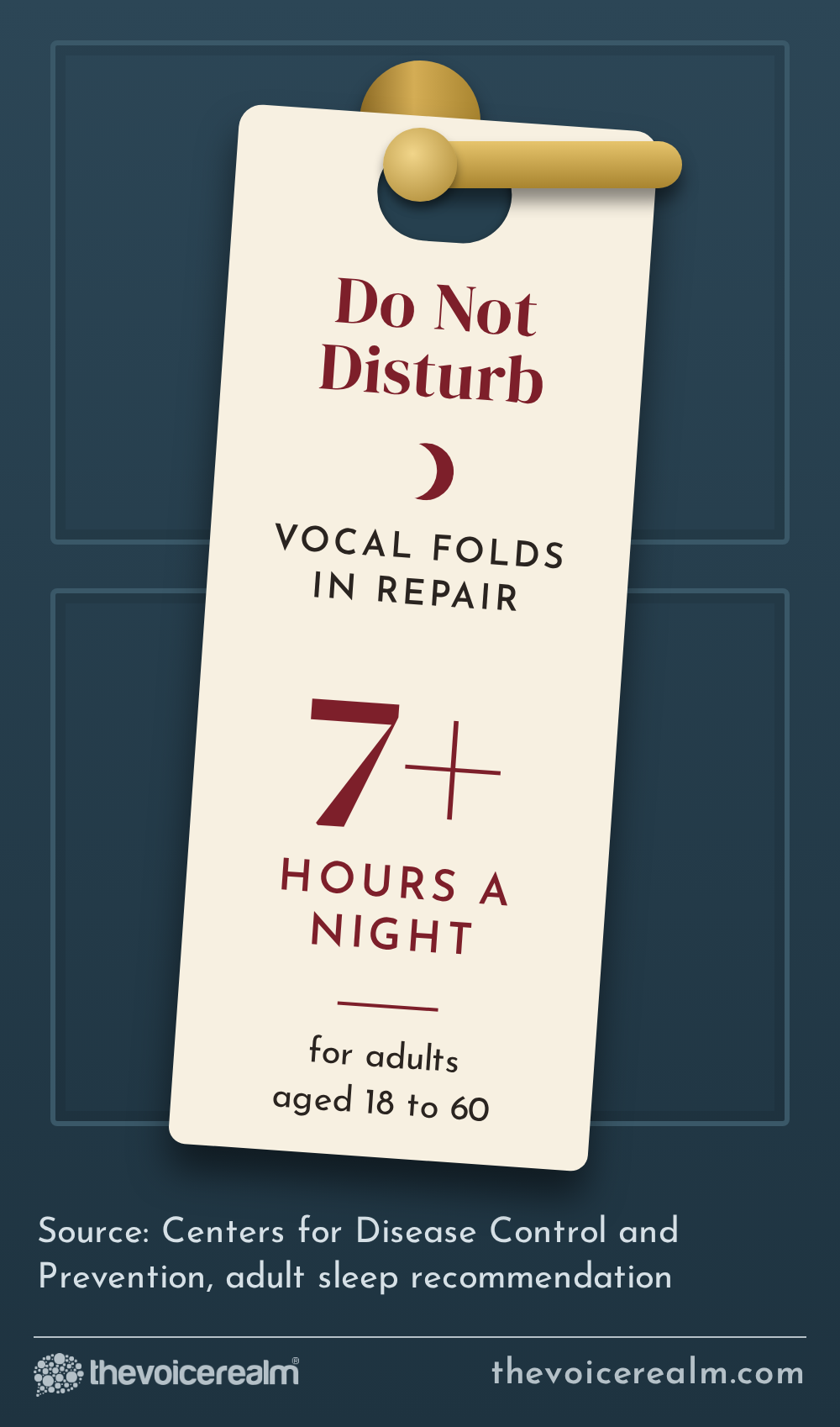
How much is enough? The CDC’s adult recommendation is “7 or more hours” a night for people aged 18 to 60. That’s a floor, not a target, and it’s easy to miss when you’re juggling auditions in a different time zone.
Short sleep also stacks up with other things that tire a voice. Long sessions, dry booths and late meals all add to the load. If your voice is already feeling heavy at the end of the day, treat them together, because each one makes the other worse.
Session day after a bad night
Sometimes the sleep just didn’t happen. The session is still at ten. Here’s how to get a usable read anyway.
Move the hard stuff later if you can. If you have a choice between a high energy promo and a calm e-learning module, put the e-learning first. Give your body a few hours to come up to speed before you ask it for sparkle.
 VOICEMASTERACADEMYLearn the craft in order.Module one is freeStart module oneTwenty modules, start to finish.
Warm up for longer than usual. Double your normal routine. Gentle humming, lip trills and some easy sirens get the folds moving without strain. If you don’t have a routine yet, start with five minutes of gentle humming and slides, then run it twice.
Drink water, and keep drinking it. A tired body is often a slightly dehydrated one, and dry folds make every other problem worse. Sip steadily through the session rather than downing a pint before you start. Our article on what hydration really does for your voice explains why timing matters.
“Just like any other muscles in your body, your vocal folds need time to rest and recover.”
Tufts Medicine Voice CarePost this quote
Go easy on the coffee. One cup to get moving is fine. Four cups to fight the fog will make you jittery, rushed and dry, which is exactly how the overcompensating read sounds.
Record in short blocks. UT Southwestern laryngologist Dr. Lesley Childs suggests that “for every 90 minutes of voice use, you need 10 minutes of voice rest.” On a tired day, shorten that further. Take a break every half hour, walk around, stay quiet for a few minutes.
Listen back for flatness, not mistakes. A tired read is usually word perfect. The problem is the shape, and feeling awake after a coffee doesn’t mean your tone has caught up. Play back a minute and ask one question: would you keep listening? If the answer is no, the fix is often physical. Stand up, smile, gesture, and read the line to one person in the room.
Ask for a later pickup slot. If you’re directed live, there’s no shame in saying “I’d like to give you a fresher take on the last section tomorrow morning.” Most producers would rather wait a day than accept a tired read. Just make sure your setup is noted so the pickups match.
© The Voice Realm
Building nights that protect your voice
You don’t need a sleep coach. You need a handful of habits that make good nights more likely, especially before booked sessions.
Keep a steady wake time. A fixed wake time does more for your sleep than a fixed bedtime. It also means your voice is warmed up and ready at the same point each day, so you can book sessions with confidence.
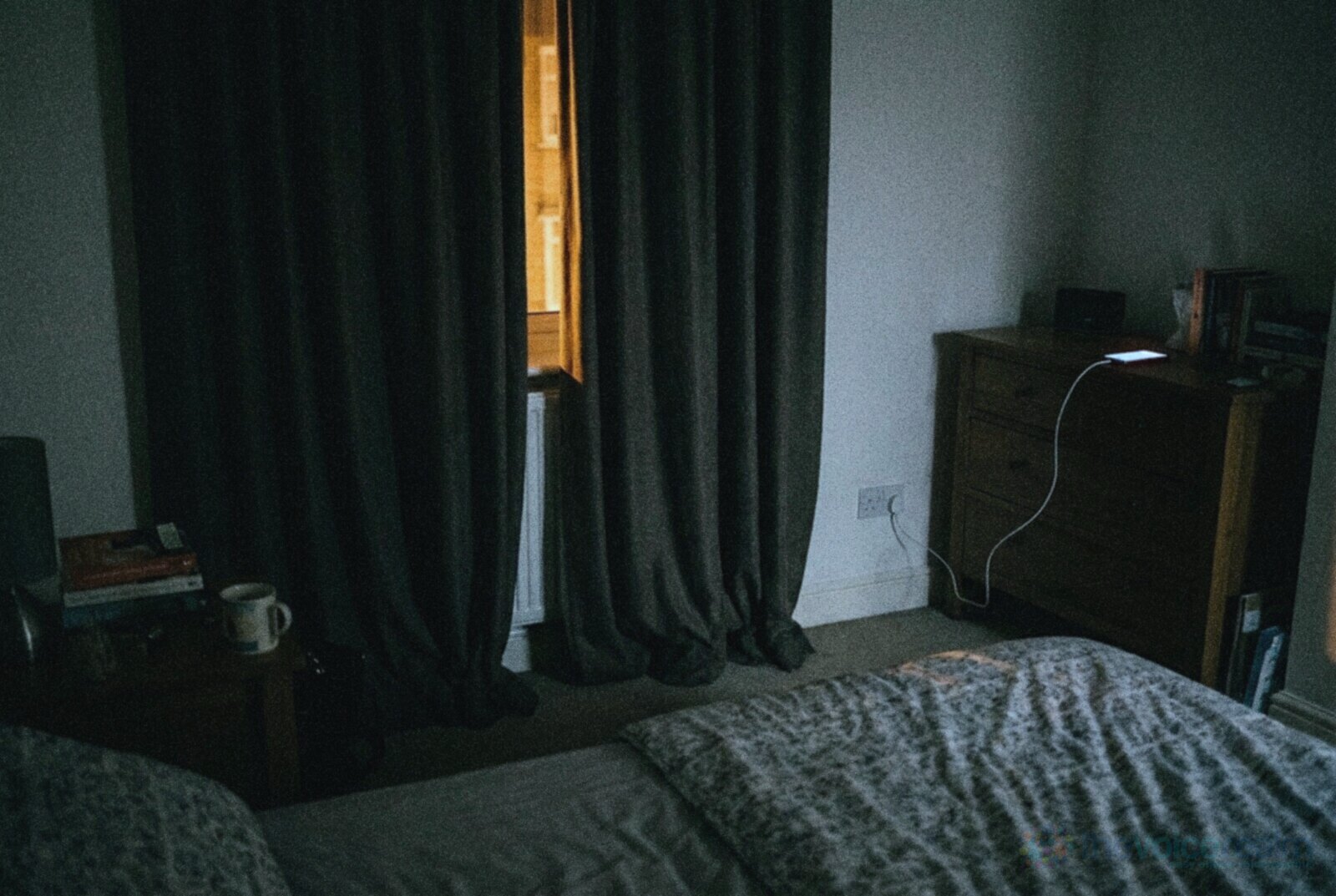
Put the phone across the room. If you audition for clients in other time zones, the temptation to check for new castings at midnight is real. A phone charging on the other side of the room is one less thing to grab when you wake at 3 a.m.
Eat earlier on the night before a session. Late, heavy meals and lying down straight after are a common recipe for a scratchy throat the next morning. If that pattern sounds familiar, mention it to your doctor, because silent reflux is a common culprit.
Protect the night before the big ones. An audiobook marathon, a long game session, a directed national spot. Treat the night before like an athlete treats the night before a match. Say no to the late dinner out. You can celebrate after.
Plan your week around your voice. If you know a heavy session is coming, keep the day before light: fewer auditions, less talking, more water. Your voice is your business, and scheduling is part of looking after it.
© The Voice Realm
When tiredness isn’t the whole story
Most tired voices bounce back after a couple of good nights. If yours doesn’t, don’t keep blaming the alarm clock. Dr. Childs lists a few signs that it’s time to see a laryngologist, starting with this one: “If you are hoarse for two weeks or more.”
She also flags “vocal fatigue” where “you’re losing your voice by the end of the day,” and “throat pain or discomfort when using your voice.” Any of those, especially with poor sleep in the mix, deserve a proper look. Problems like vocal nodules are much easier to sort out when they’re caught early.
Snoring, gasping at night or waking up exhausted after a full night in bed are worth mentioning to your doctor too. A sleep problem you can’t fix with habits is a medical question, not a willpower one.
The good news is that most of this is within your control. Guard the hours, warm up properly, schedule the hard reads for when you’re at your best, and listen back with honest ears. Your clients will never know how little you slept. That’s the whole point.
Sources: “Sleep deprivation detected by voice analysis”, Thoret, Andrillon, Gauriau, Léger and Pressnitzer, PLOS Computational Biology, 2024; “The Morning Voice: The Effect of 24 Hours of Sleep Deprivation on Vocal Parameters of Young Adults”, Icht and colleagues, Journal of Voice, 2020; “5 Tips for Vocal Health”, Tufts Medicine; “About Sleep”, Centers for Disease Control and Prevention; “Save your most valuable work asset: Your vocal cords”, Dr. Lesley Childs, UT Southwestern Medical Center.
Ready to get booked?
See the jobs open right nowAbout Sarah Robbins
Sarah Robbins writes for The Voice Realm about finding voice over work, home studios, casting and the business side of voice acting.