Blog

On Monday, Fremantle Press put out the kind of call West Australian voice over artists don’t see very often. The not-for-profit publisher is starting an audiobook pilot, and it wants local voices to read its first titles. Not voices from Sydney, not voices from overseas. Voices from Western Australia, and for one of the books, the Northern Territory.
It’s a small project on paper: three children’s books to start, three more to be named before the year is out. But it says a lot about where Australian audio is heading, and it’s one of the friendliest doors into audiobook narration we’ve seen open in this country for a while. Here’s what the publisher asked for, what the three books need, and our read on why it matters well beyond Fremantle.
What Fremantle Press is asking for
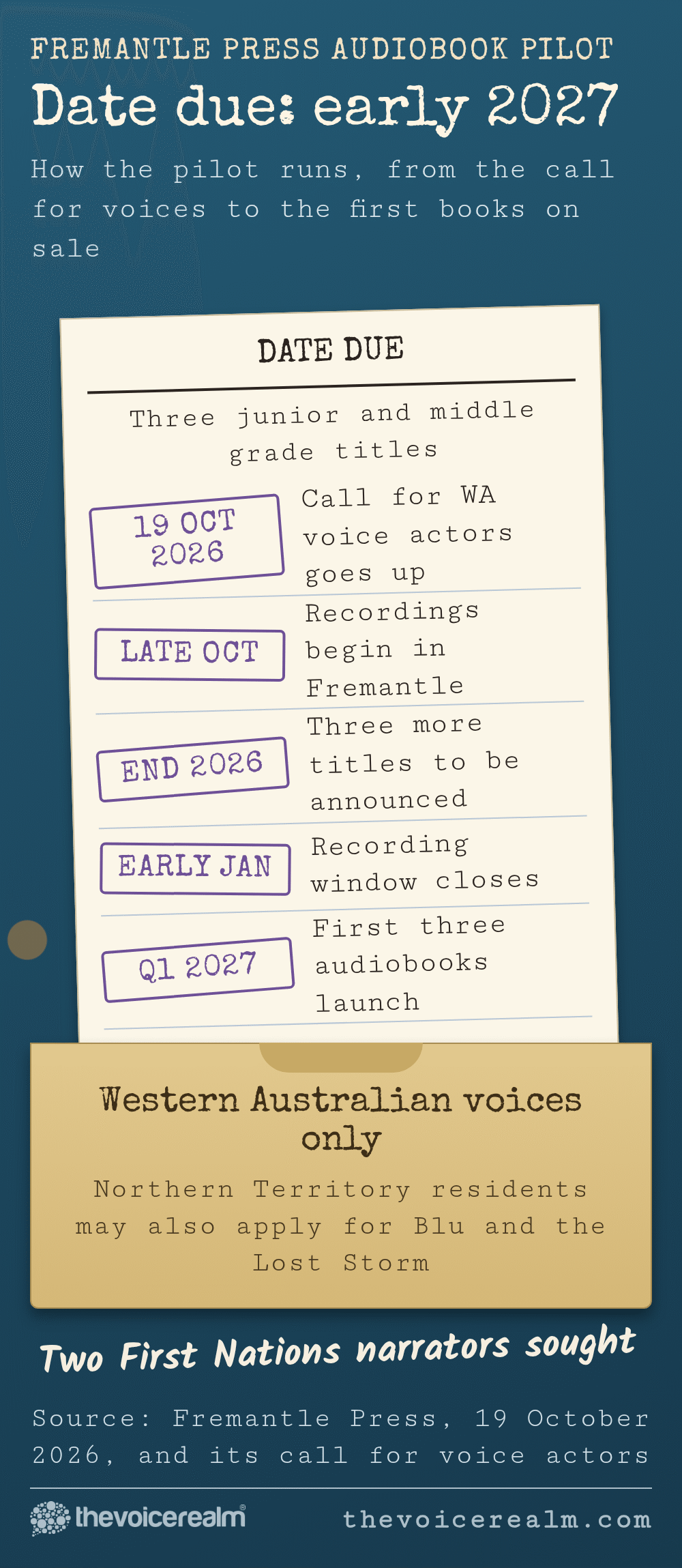
The announcement, dated 19 October 2026, says the pilot “will focus on accessibility in education, and making local stories and Australia’s rich cultural heritage available to more listeners.” The first three titles are junior to middle grade reads, all due out as audiobooks in the first quarter of 2027.
The interesting part is who the publisher wants. The submission page says “New and emerging voice actors are encouraged to apply,” and Head of Sales and Marketing Claire Miller said she hoped the project would support established actors as well as newer performers looking for experience in a new medium. That’s rare. Audiobook work in Australia has long gone to a fairly small circle of experienced narrators, and the first credit is the hardest one to get.
The money side has been thought through, too. Fremantle Press CEO Alex Allan said a Capacity Building Grant from the Minderoo Foundation lets the press provide training and mentorship, buy extra equipment and pay professional and emerging voice actors. The call-out says the rates are “a set fee based on up to 5 hours recording for middle grade readers.” Paid, mentored and local: that’s a combination worth paying attention to.
There’s one hard rule. Actors need to live in Western Australia, or, for one of the books, the Northern Territory. That shrinks the field a lot. For the voice over artists based in Perth who already record ads and explainers for local brands, and for the readers out in the regions who’ve never had a reason to try narration, the competition is suddenly next door rather than on the other side of the country.
© The Voice Realm
Three books, three very different reads
Each book comes with its own narration notes, and they ask for quite different skills. Read them before you choose which one to try for. You’re allowed to apply for more than one in a single application, but a focused, well matched read will do more for you than three rushed ones.
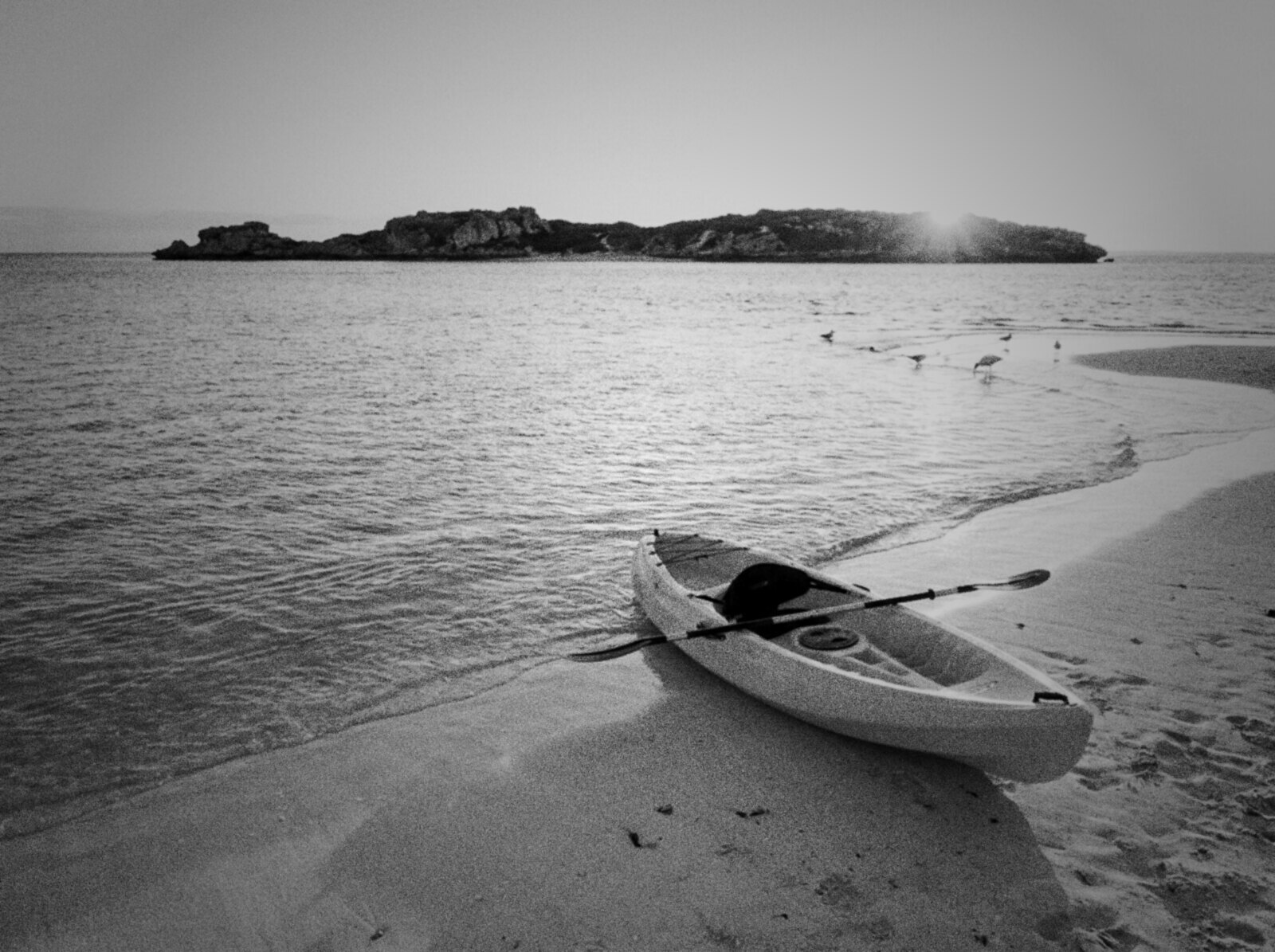
Penguin Peril by Deb Fitzpatrick follows Mitch, who takes his dad’s new kayak out for a quiet fish, gets caught by the tide and ends up stuck overnight on Penguin Island. The notes ask for a narrator who can represent an 11-year-old boy, and say that much of the text is internal monologue, with dialogue at the start and the end. That’s a very particular job. Internal monologue lives close to the mic. It’s a kid thinking, not a kid performing, and the worry, the bravado and the boredom all have to be there without anyone else in the scene to bounce off.
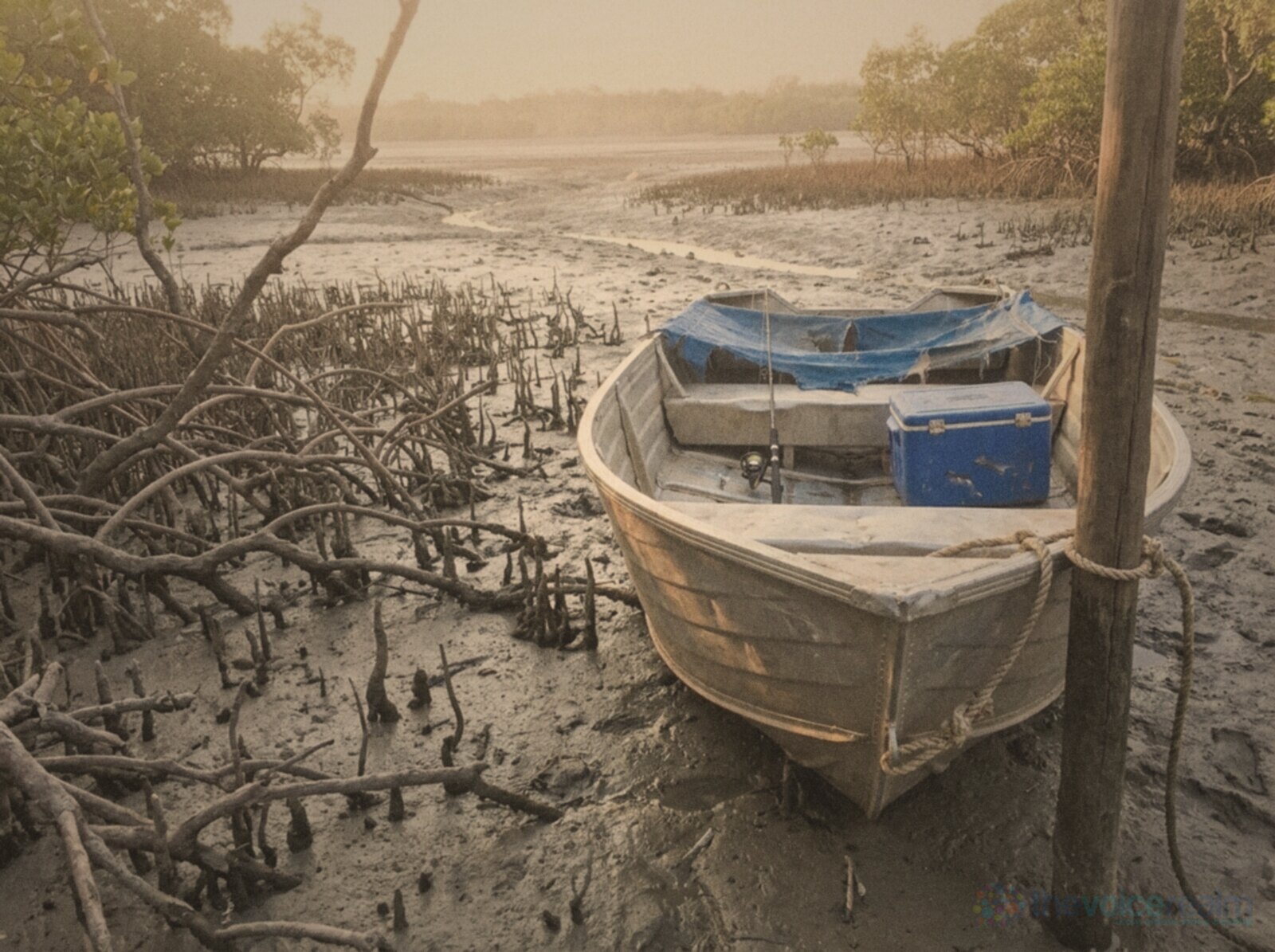
Blu and the Lost Storm by Sabrina Dudgeon-Swift is set on Larrakia Country in Darwin, where Blu goes fishing with his dad, his best friend Elijah and his dog Storm, until Storm goes missing in the mangroves. That one needs an 11-year-old lead plus dialogue between several family members and characters.
Sunny and Shadow by Helen Milroy has a main narrator who is female and First Nations and, in the publisher’s words, “of indeterminant age, though not a young person,” reading a story with a lot of characters, including a girl, her grandmother and a cheeky dingo pup called Chichi. If you’ve been building a set of kids’ character voices for animation or games, this is the kind of book where that range earns its keep, as long as every voice still sounds like it belongs in the same story. Our guide to building a character voice from the ground up covers how to keep a cast of voices distinct without tipping into cartoon.
© The Voice Realm
The First Nations roles, and why they matter
The call-out is clear that two First Nations narrators are sought. For Blu and the Lost Storm, it says actors “representing either the Larrakia or Bardi peoples are encouraged to apply,” and that Northern Territory residents can apply for that book. For Sunny and Shadow, the main narrator is First Nations.
That’s the right call, and it’s worth saying plainly. A story told from inside a culture sounds different when it’s read by someone from inside that culture: the rhythm of family talk, the names, the places, the weight of Country. No amount of accent work replaces it. If those two roles aren’t yours, leave them for the people they were written for, and put your energy into Penguin Peril or the three titles still to be announced.
If they are yours, and you’ve never thought of yourself as a narrator, this call is aimed squarely at you. You don’t need a studio, a demo reel or an agent to apply. Darwin readers in particular should look at the Blu brief closely. There’s real work in the Territory for voice over artists in Darwin already, from tourism to government campaigns, and a children’s audiobook credit is a lovely thing to have sitting beside it.
© The Voice Realm
A phone in a quiet room is enough to be heard
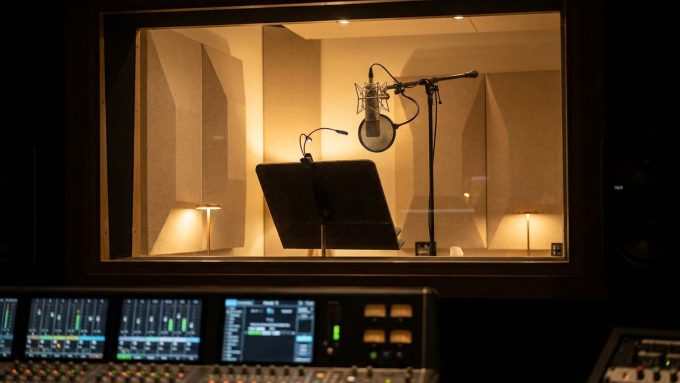
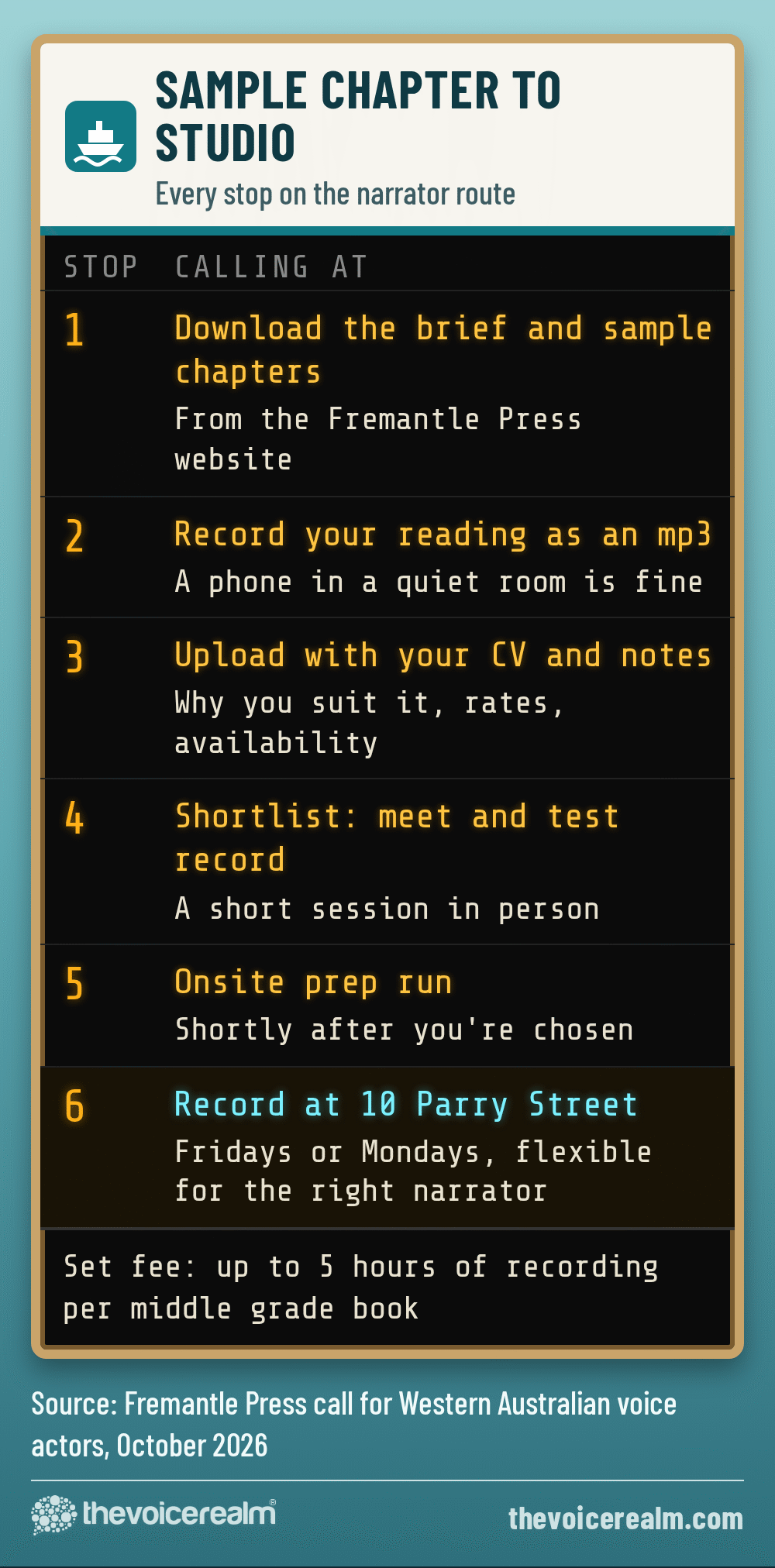
This is the line in the call-out that should get more people applying: “Your mp3 file can be recorded on a phone in a quiet room.” You download the sample chapters and the narrator brief from the publisher, read a chapter, and upload it with your CV and a few notes about why you suit the book.
 VoiceEditSuiteYour breath. Your pace. Your edit.Auto Clean Up learns your pace from every file and puts your own pause back wherever it cuts a mistake.See how it worksLearns from numbers, never your audio. Never used to train AI.
That’s a generous starting line, but don’t read it as “anything goes.” The publisher is listening for the performance, not the gear, so give the performance the best chance. A few things make a phone recording sound much better than it has any right to:
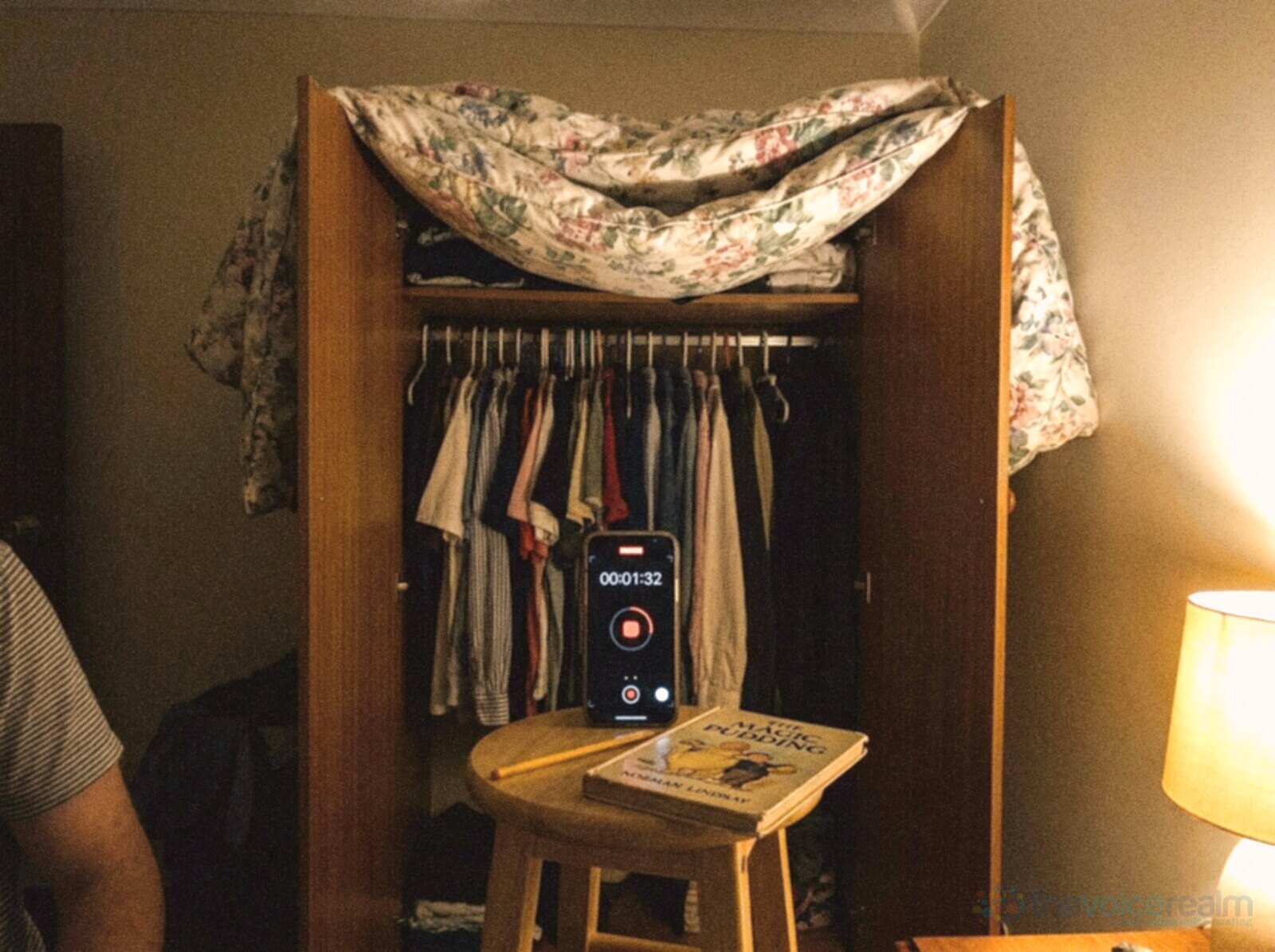
- Pick the softest room in the house. A wardrobe full of clothes, with a doona thrown over the doors, kills more echo than any bathroom ever will.
- Turn off the fridge, the ceiling fan and the aircon for the ten minutes you’re recording. You’ll stop hearing them. The listener won’t.
- Hold or prop the phone about a hand span from your mouth, slightly off to the side, so your breath doesn’t thump the microphone.
- Put the phone in flight mode so a notification doesn’t land in the middle of your best take.
- Record the whole chapter a few times and send the best full read. Don’t stitch.
Then listen back on headphones, not the phone speaker. If you can hear the room, move somewhere softer and try again.
© The Voice Realm
Treating young listeners as equals
Claire Miller put the brief better than we could: “We’re looking for narrators who will treat younger audiences as their equals. We want them to demonstrate emotional range and interesting characterisations while staying true to the audiobook format and style.”
That first sentence is the whole job. The most common mistake in children’s narration is the sing-song voice adults put on for kids, the one that’s a little too bright and a little too slow. Children can hear it from a mile off, and a nine-year-old who feels talked down to will switch off faster than any adult.
The storytime voice
Every line a little brighter than life. Big pauses before the scary bit. Each character pushed so far that the narrator disappears and the story feels like a show put on for someone small.
The trusted older friend
A real, warm voice at a natural pace. Fear and fun played straight, because they’re real to the kid in the story. Characters clear enough to follow, never so big they pull you out of the book.
“Staying true to the audiobook format” is the other half. A middle grade audiobook isn’t a radio play. The narrator carries the story, and the characters live inside that narration, not on top of it. If Mitch is alone on an island in the dark, the listener should feel the cold and hear the strange noises through the way you read the sentence, not through a performance that needs a sound effects track to make sense.
Pace matters more than you think, too. Young listeners often have the audiobook on in the car, at bedtime or in a classroom, sometimes following along in the printed book. A narrator who rushes loses them. One who drags puts them to sleep, which is only a win at bedtime.
© The Voice Realm
What to do this week
Recordings start from late October, so if you want in, don’t sit on it. Here’s how we’d spend the next few days:
- Read the brief twice and pick your book. Match yourself honestly to the narration notes. An 11-year-old lead needs a voice that can sit young without sounding put on.
- Read the whole sample chapter aloud before you record anything. Mark the breaths, the character changes and the moments that turn. Our walkthrough of marking up a script before the mic shows a simple system that works just as well for a book chapter.
- Record in the morning. Voices are clearer and the street’s usually quieter. Leave a gap between takes so you’re not chasing the same read.
- Write the notes they asked for. Why you suit this book, your availability between late October and early January, and your rates if you have them. Keep it short and specific.
- Keep your CV to what’s relevant. Theatre, radio, reading to classrooms, community radio presenting: it all counts for a first audiobook.
- Be ready to show up in person. Shortlisted narrators may be asked to a short meeting and test recording, then an onsite prep run. Recording happens in Fremantle on a Friday or a Monday, though the publisher says it will be flexible for the right narrator.
Our take
Here’s our read. Australia has a voice problem in its own audiobooks. Plenty of local stories still reach listeners in voices that aren’t local, and the first credit has always been the hardest to get. A publisher building its own audio list from scratch, paying for it properly, mentoring newer narrators and asking specifically for First Nations readers for First Nations stories, is the opposite of that. It’s a small pilot that does a big thing well.
It also shows something the bigger end of the industry sometimes forgets: regional talent doesn’t need to move to Sydney or Melbourne to work. A good voice in a quiet room in Geraldton, Albany or Palmerston can be heard by a publisher in Fremantle the same afternoon. That’s been true for commercial and corporate voice over for years. It’s good to see it reach books.
If you book voices, there’s a lesson for you too. When the story is local, the voice should be. Listeners can tell, and kids can tell fastest of all.
And if you’re a West Australian voice over artist who has always wanted to narrate a book, this is the week to stop wanting and start recording.
Sources: Fremantle Press, “Fremantle Press announces call-out for Western Australian voice actors”, 19 October 2026; Fremantle Press Submission Manager, “Call for Western Australian voice actors for audio book pilot”.
Ready to get booked?
See the jobs open right nowAbout Sarah Robbins
Sarah Robbins writes for The Voice Realm about finding voice over work, home studios, casting and the business side of voice acting.